Why Recipe Lists Fail Beginners (and What Actually Works)
If you're just starting to cook, scrolling through 100 "easy" recipes is overwhelming. Each dish assumes you know how to handle a hot pan, how to season properly, and what to do when things go wrong. That's why most beginners either burn the chicken or give up entirely. Instead of giving you another list, this guide teaches you five core techniques that unlock countless simple healthy recipes for beginners. Master these, and you'll stop following recipes blindly - you'll start cooking with confidence.
I learned this the hard way. When I first tried to make a stir-fry, I turned the heat to max, threw in oil, then veggies, and ended up with a smoky mess. The recipe said "high heat, cook quickly," but nobody explained that high heat without constant tossing burns everything. That's the real problem: recipes don't teach technique. This guide fixes that by giving you five methods you can reuse forever.
The 5 Core Techniques: Your Beginner's Confidence Builder
These five methods cover the vast majority of everyday cooking. They require only basic equipment, budget-friendly ingredients, and no fancy skills. Each technique comes with one simple recipe that demonstrates it, plus a breakdown of what makes it healthy, and the most common mistake to avoid. Here's the overview:
| Technique | Best For | Key Tool | Skill Level |
|---|---|---|---|
| Roasting | Vegetables, chicken, potatoes | Oven + baking sheet | Beginner |
| Pan-Searing | Fish, chicken breasts, tofu | Heavy skillet | Beginner |
| One-Pot Simmering | Soups, stews, rice dishes | Large pot | Beginner |
| Sheet-Pan Baking | Combined proteins + veggies | Rimmed baking sheet | Beginner |
| No-Cook Assembly | Salads, grain bowls, wraps | Knife + bowl | Absolute beginner |
Each recipe uses 5-7 pantry staples, costs under $10 per serving (when you buy in bulk), and teaches you a skill you'll use for life. Let's dive in.
Technique 1: Roasting - The Set-It-and-Forget-It Method
Roasting uses dry heat in the oven to caramelize natural sugars and create deep flavor. It's the least hands-on technique, perfect for busy weeknights. Once you understand how to roast vegetables and protein, you can prepare a whole meal with just one sheet pan.
Recipe: Roasted Chicken Thighs with Broccoli
Ingredients: 4 bone-in chicken thighs, 1 head of broccoli (cut into florets), 2 tablespoons olive oil, 1 teaspoon garlic powder, 1 teaspoon smoked paprika, 1/2 teaspoon salt, 1/4 teaspoon black pepper.
Instructions:
- Preheat oven to 425°F (220°C). Line a baking sheet with parchment paper.
- In a large bowl, toss the chicken thighs with 1 tablespoon olive oil and half the seasonings. Arrange them skin-side up on one half of the sheet.
- Toss the broccoli with the remaining oil and seasonings, then spread on the other half.
- Roast for 35-40 minutes, until the chicken reaches 165°F internally and the broccoli edges are charred.
- Rest for 5 minutes before serving.
Why it's healthy: Chicken thighs provide protein and B vitamins; broccoli offers fiber, vitamin C, and folate. The olive oil adds heart-healthy monounsaturated fats. This dish is low in carbohydrates and high in protein, keeping you full for hours.
Common mistake: Most people overcrowd the baking sheet. If you pile too many veggies, they steam instead of roast, becoming soggy. Use a large sheet and give everything space. If you see steam rising from the broccoli, that's a sign you're overcrowding. Spread it out more next time.
The biggest lesson I've learned with roasting: under-salting is the #1 reason roasted vegetables taste bland. Salt brings out moisture, and salt is your friend. Don't be shy.
Technique 2: Pan-Searing - The Confidence Builder on Stove
Pan-searing is cooking food in a hot pan with a small amount of oil. It's the go-to for fish, chicken breast, and tofu. The key is to get the pan hot enough to create a golden crust without burning the outside. This technique often scares beginners because it requires timing, but once you grasp the "don't move it too soon" rule, it becomes second nature.
Recipe: Seared Salmon with Lemon-Butter Sauce
Ingredients: 2 salmon fillets (6 oz each), 1 tablespoon butter, 1 tablespoon olive oil, 2 cloves garlic (minced), juice of 1/2 lemon, 2 tablespoons chopped fresh parsley, salt and pepper to taste.
Instructions:
- Pat the salmon dry with paper towels. Season both sides with salt and pepper.
- Heat a heavy skillet (cast iron or stainless steel) over medium-high heat for 2 minutes. Add oil, tilt to coat.
- Place salmon skin-side down. Press gently with a spatula for 10 seconds so it doesn't curl.
- Cook for 4 minutes without moving. Then flip and cook for 3 minutes more.
- Add butter, garlic, and lemon juice. Tilt the pan and spoon the foaming sauce over the fish for 1 minute. Remove, sprinkle with parsley, and serve.
Why it's healthy: Salmon is rich in omega-3 fatty acids, which reduce inflammation and support brain health. The butter adds a small amount of saturated fat, but it's worth it for flavor - you only use a tablespoon. The garlic provides allicin, a compound with antimicrobial properties.
Common mistake: The biggest failure is trying to flip the salmon too early. If the fish resists your spatula, it's not ready. Let it cook until it releases easily - usually after a crispy crust forms. Also, don't use extra-virgin olive oil for high-heat searing; it has a low smoke point and will burn. Use a neutral oil like avocado or canola.
When I first started searing, I'd constantly poke and flip, creating a rubbery mess. The rule "set it and let it be" transformed my cooking. Same goes for chicken breast - if you flip it too soon, it sticks, then you peel it off and lose the crust.
Technique 3: One-Pot Simmering - The Budget-Friendly Meal Maker
One-pot simmering means cooking everything in a single pot with a liquid (water, broth, or sauce) at a gentle bubble. It's ideal for soups, stews, pasta, and rice dishes. This technique is forgiving because the liquid distributes heat evenly, so you can't easily burn anything. It's also perfect for beginners on a tight budget because you can stretch cheap ingredients like beans, lentils, and vegetables into hearty meals.
Recipe: Lentil and Vegetable Soup
Ingredients: 1 cup dried brown lentils (rinsed), 1 onion (diced), 2 carrots (diced), 2 celery stalks (diced), 3 garlic cloves (minced), 4 cups low-sodium vegetable broth, 1 can (14.5 oz) diced tomatoes, 2 teaspoons ground cumin, 1 teaspoon smoked paprika, salt and pepper to taste.
Instructions:
- Heat 1 tablespoon olive oil in a large pot over medium heat. Add onion, carrots, celery, and garlic. Cook for 5 minutes until softened.
- Add cumin and paprika, stir for 30 seconds.
- Add rinsed lentils, broth, and tomatoes (with their juice). Bring to a boil, then reduce heat to low, cover, and simmer for 30 minutes, stirring occasionally.
- Season with salt and pepper. If thick, add more broth or water.
Why it's healthy: Lentils are a plant-based protein powerhouse - one cup cooked provides 18g of protein and 15g of fiber, which helps stabilize blood sugar. The vegetables add vitamins and potassium. This soup is naturally low-fat and high in complex carbs for sustained energy.
Common mistake: Not seasoning until the end is a big error. Salt is best added in layers: a pinch when sautéing the vegetables, another pinch with the liquid, and then adjust at the end. If you only season at the end, the flavors don't develop deep complexity. Also, don't skip the "cook the spices first" step - blooming spices in oil releases their essential oils and makes them more aromatic.
One of the best parts about one-pot cooking is that leftovers taste even better the next day as flavors meld. This soup freezes well, so you can make a batch and eat for a week. For breakfast ideas that also use simple techniques, check out our guide to 7 Quick Recipes for Nutritious Breakfasts - many use the same simmer-and-store principle.
Technique 4: Sheet-Pan Baking - The Ultimate Weeknight Saver
Sheet-pan baking is the lazy cook's dream: put everything on one rimmed baking sheet, roast it all together, and dinner's ready with minimal cleanup. It's perfect for busy weeknights when you don't want to dirty multiple pots. The key is to arrange ingredients so they cook evenly - proteins and hard veggies (potatoes, carrots) go on the pan first, softer veggies (bell peppers, zucchini) later, so nothing overcooks.
Recipe: Sheet-Pan Sausage and Veggie Dinner
Ingredients: 2-3 chicken sausages (or any pre-cooked sausage), 2 cups baby potatoes (halved), 1 red onion (cut into wedges), 2 bell peppers (any color, sliced), 3 garlic cloves (whole), 1 tablespoon olive oil, 1 teaspoon dried oregano, 1/2 teaspoon salt, 1/4 teaspoon black pepper.
Instructions:
- Preheat oven to 425°F (220°C). Line a baking sheet with foil or parchment.
- In a large bowl, toss the potatoes and onion with half the oil and seasonings. Spread them on the sheet. Roast for 15 minutes.
- Remove the sheet, add the sausages and bell peppers. Drizzle with remaining oil and seasonings. Return to oven for 15-20 minutes, until potatoes are fork-tender and sausages are nicely browned.
Why it's healthy: Sausage varies, but choosing chicken or turkey sausage reduces saturated fat and still provides protein. Potatoes are a great source of potassium and vitamin C, and the fiber from the skin helps digestion. Bell peppers add vitamin A (from beta-carotene) and more vitamin C than oranges.
Common mistake: The biggest issue is cutting ingredients into uneven sizes - small potato pieces burn while large ones stay raw. Aim for uniform 1-inch chunks. Also, don't crowd the pan; if your sheet is too small, use two pans or split the batch. Overcrowding causes steaming and soggy texture.
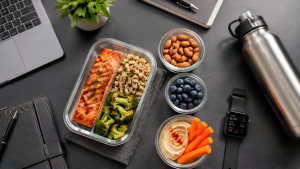
Most people don't realize that sheet-pan meals are also perfect for meal prep. Roast a large batch on Sunday, then portion into containers for the week. You can swap vegetables based on what's on sale, making it even more budget-friendly.
Technique 5: No-Cook Assembly - The Zero-Heat Confidence Starter
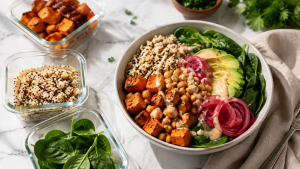
No-cook assembly is exactly what it sounds like: combining ingredients that require no cooking. It's perfect for hot summer days, quick lunches, or when you're too tired to turn on the stove. This technique focuses on knife skills, balance of flavors, and a great dressing. It also teaches you to see food as a combination of components rather than just a recipe.
Recipe: Mediterranean Chickpea Salad
Ingredients: 1 can (15 oz) chickpeas (rinsed and drained), 1 cucumber (diced), 1 tomato (diced), 1/2 red onion (thinly sliced), 1/4 cup crumbled feta cheese, 2 tablespoons olive oil, 1 tablespoon lemon juice, 1/2 teaspoon dried oregano, salt and pepper to taste.
Instructions:
- In a large bowl, combine chickpeas, cucumber, tomato, onion, and feta.
- In a small bowl, whisk together olive oil, lemon juice, oregano, salt, and pepper.
- Pour dressing over salad, toss gently. Let sit for 10 minutes so flavors meld.
Why it's healthy: Chickpeas offer plant-based protein and fiber (8g protein and 6g fiber per half-cup). The olive oil and feta add monounsaturated fats and calcium. This salad is vegetarian, high in fiber, and can be eaten as a full meal or a side.
Common mistake: Not letting the salad sit. If you eat immediately, the flavors haven't blended. Give it at least 10 minutes; the tomatoes release juice and make a natural dressing. Also, over-dressing makes it soggy. Start with half the dressing, toss, taste, then add more if needed.
One tip that changed my salad game: salt the cucumber and tomato separately with a pinch of salt and let them sit for 10 minutes before assembling. This draws out excess water and concentrates flavor.
No-cook assembly is also the easiest way to use up leftovers. For example, if you roasted chicken earlier in the week, you can chop it into a salad. This reduces food waste and saves money.
The Beginner's Meal Pattern: How to Combine These Techniques
Now that you have five techniques, you don't need a recipe for every meal. Instead, you can create a flexible framework. Use this simple checklist to build any dinner:
- Pick a protein: chicken, fish, tofu, beans, eggs, or lentils.
- Choose two or three vegetables: any fresh or frozen variety.
- Add a complex carb: rice, quinoa, potatoes, or whole-grain pasta.
- Select a cooking method: roast everything on a sheet pan, simmer into a soup, or sear protein and roast veggies separately.
- Flavor with a simple sauce: olive oil + lemon + herbs, or soy sauce + garlic, or yogurt + dill.
For example, a baked chicken dinner could be: sear chicken thighs in a pan, meanwhile roast broccoli on a sheet, and microwave a sweet potato. That's two techniques (searing and roasting) in 30 minutes.
Or a one-pot meal: boil pasta, add tomato sauce, frozen spinach, and canned chickpeas - that's simmering, no extra pan. The pattern works because you're choosing from a small set of skills rather than learning 100 different methods.
Budget and Nutrition Hacks for Beginners
Cooking simple healthy meals doesn't have to break the bank. Here are the unspoken rules I wish someone told me:
- Buy in bulk: Dried lentils, rice, and oats cost pennies per serving. Always keep these on hand.
- Frozen vegetables are as nutritious as fresh - often more because they're flash-frozen at peak ripeness. Use them in soups and sheet-pans.
- Season with salt, pepper, and one or two spices. You don't need a cabinet full of exotic spices. Buy garlic powder, paprika, and oregano first.
- Make extra and repurpose. If you roast chicken thighs, use leftovers in a salad or wrap the next day. This saves time and money.
- Eggs are your best friend. They're cheap, versatile, and full of protein. Mastering a pan-seared egg is a gateway skill.
One thing nobody tells you about meal planning: you don't need to plan every meal. Start with lunch or dinner - pick one meal you'll cook with these techniques, and keep easy no-cook options for the other. This reduces decision fatigue.
Troubleshooting Common Beginner Failures
Let's address the most frustrating moments when you're learning to cook, with quick fixes:
- "My chicken is dry." You're overcooking. Use a meat thermometer; remove at 165°F. Let it rest for 5 minutes so juices redistribute.
- "My vegetables are soggy." You're either overcrowding the pan/sheet or boiling them. Roast or sear with space between pieces.
- "It tastes bland." You need more salt - and acid. Add a squeeze of lemon or a splash of vinegar at the end to brighten flavors.
- "I burn everything." Turn down the heat. Medium-high is your maximum for searing; medium is fine for sautéing. And never walk away from a hot pan.
- "I don't have the right oil." Use neutral oils (canola, avocado, grape seed) for high heat. Extra-virgin olive oil is better for low-heat finishing.
Remember: cooking is a skill, not a talent. Every mistake teaches you something. I burned more pans than I can count before I learned that patience trumps high heat.
Your First Week: A Simple Meal Plan Using These Techniques
To put it all together, here's a 5-day plan using each technique once. Each meal takes under 45 minutes and uses budget ingredients.
- Monday: Roasted Chicken Thighs and Broccoli (Technique 1). Prep extra chicken for Tuesday's salad.
- Tuesday: Seared Tuna Steaks with a side salad (Technique 2, no-cook for the salad).
- Wednesday: Lentil and Vegetable Soup (Technique 3) - make a double batch and freeze half.
- Thursday: Sheet-Pan Sausage and Veggie Dinner (Technique 4).
- Friday: Mediterranean Chickpea Salad (Technique 5) - easy, no-cook, perfect for a busy day.
This meal plan costs about $50-$60 for a week of dinners (if you buy basic ingredients), and you'll learn all five techniques. After the first week, you'll start improvising - swapping vegetables, adjusting spices, and even creating your own recipes.
Final Thoughts: You Don't Need More Recipes, You Need More Skills
The biggest shift for me was realizing that cooking isn't about following instructions - it's about understanding why those instructions exist. With these five techniques, you'll never feel stuck when you open the fridge. You'll look at a bunch of carrots, a can of beans, and some spices and see dinner, not confusion.
Simple healthy recipes for beginners are just a starting point. The real goal is becoming the kind of cook who can walk into any kitchen and make something nutritious with whatever is on hand. Start with the technique you feel least intimidated by, practice it for a week, then move on. Within a month, you'll have a toolkit that serves you for life. That's the confidence builder you've been missing.