You Don't Need Another Recipe. You Need a Formula.
If you've ever stared at a bag of carrots or a lone zucchini and wondered what to do, you already know the problem: recipe lists are endless, but they don't teach you how to think. The easiest vegetable side dish isn't a specific dish at all - it's a simple, repeatable method that works for almost any vegetable you already have. I've been cooking weeknight dinners for over a decade, and the single biggest shift came when I stopped hunting for recipes and started using a 3-step formula: choose your vegetable, pick a cooking method, and build flavor with fat, acid, and seasoning. That's it. No complicated sauces, no obscure ingredients, no 20-minute prep that actually takes an hour.
This approach answers the two questions I get most: "What's the easiest side dish to make?" and "What are some quick vegetable side dishes?" The answer is always the same - the one you can make in under 30 minutes with what you have. In this guide, I'll break down the formula, show you how to make it work with fresh, frozen, or pantry-staple vegetables, and give you specific combinations that have never failed me. By the end, you won't need another recipe list. You'll be able to walk into your kitchen, look at any vegetable, and know exactly how to turn it into something delicious.
Why Recipe Lists Fail You (and What to Do Instead)
Let's be honest: most "easy vegetable side dish" roundups are just collections of recipes. They give you a list of 20 dishes, but they don't give you the underlying skill. So you bookmark them, maybe try one or two, and then you're back to the same problem next week - because you didn't learn how to improvise. The real issue is decision fatigue. When you have to choose from 25 different recipes, you spend more time deciding than cooking. And if you're missing one ingredient, you're stuck.
The formula approach flips that. Instead of asking "What recipe should I follow?" you ask "What do I have and how do I want to cook it?" That's a much easier question to answer. I learned this the hard way. When I first started cooking, I'd buy a head of cauliflower specifically for a recipe that called for three ingredients I didn't have. I'd either skip the dish or make a sad, bland version. Then I realized that cauliflower only needs heat, oil, salt, and something acidic to taste great. That's when I stopped collecting recipes and started collecting techniques.
This isn't just my opinion. Cooking methods like roasting, sautéing, and steaming are the backbone of every cuisine. Once you master them for one vegetable, you can apply them to almost any vegetable. The flavor matrix - fat, acid, seasoning - is how you turn a plain side into something memorable. You don't need to memorize a hundred recipes. You need to understand these three building blocks.
The 3-Step Formula: Any Vegetable, Any Time
Here's the formula in its simplest form:
- Choose your vegetable - fresh, frozen, or canned. Each has its own quirks, but the formula works for all.
- Pick a cooking method - roast (high heat, dry), sauté (medium-high heat, quick), or steam (gentle, moist). That's it. No boiling, no frying, no complicated techniques.
- Build flavor - add a fat (olive oil, butter, sesame oil), an acid (lemon juice, vinegar, lime), and a seasoning (salt, pepper, garlic, herbs, spices). Start with salt and pepper, then get creative.
That's the entire framework. The rest is just details. Let's go through each step in depth, because the details are where most people go wrong.
Step 1: Choose Your Vegetable (and Know Its Personality)
Not all vegetables behave the same. Some are sturdy and need high heat (broccoli, carrots, potatoes). Some are delicate and cook fast (zucchini, spinach, mushrooms). Some are watery and need to be wrung out (frozen spinach, canned artichokes). The formula still works, but you need to adjust time and temperature.
Here's a quick cheat sheet based on what I use most:
- Sturdy roots and crucifers (broccoli, cauliflower, carrots, parsnips, Brussels sprouts, potatoes, sweet potatoes) - roast at 425°F (220°C) for 20-30 minutes, or steam for 5-7 minutes then toss with butter.
- Quick-cook vegetables (zucchini, summer squash, bell peppers, green beans, asparagus, snap peas) - sauté on high heat for 5-7 minutes, or roast at 425°F for 10-15 minutes.
- Leafy greens (spinach, kale, Swiss chard, arugula) - sauté with a little oil for 2-3 minutes until wilted, or steam just until bright green.
- Frozen vegetables - no need to thaw first, but they release water. Roast them at a higher temp (450°F) and don't crowd the pan, or sauté in a hot pan until the water evaporates and they brown.
When I first started, I roasted frozen broccoli at the same temperature as fresh, and it came out soggy. The fix: crank the heat and spread the pieces out so they aren't steaming each other. That's the kind of thing you only learn by doing.
Step 2: Pick Your Cooking Method - Roast, Sauté, or Steam
Each method has a different effect on flavor and texture. Here's when to use which, based on my experience and what I've learned from professional cooks.
Roasting: The Set-It-and-Forget-It Method
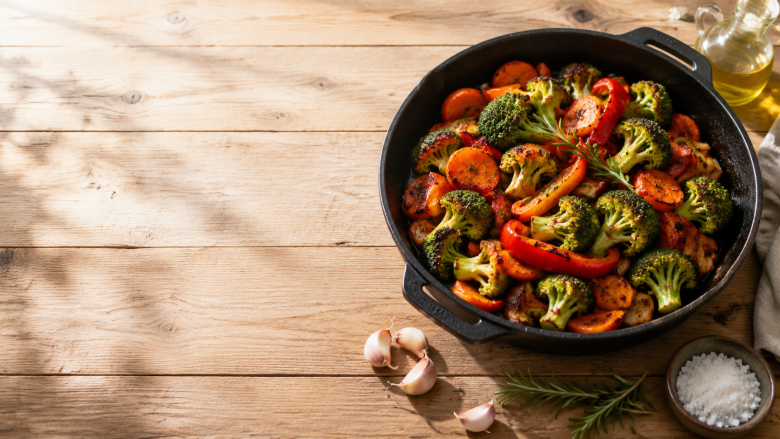
Roasting is my default for almost everything. It concentrates flavor, caramelizes natural sugars, and gives you crispy edges. The rule of thumb: preheat oven to 425°F (220°C), toss your vegetables with oil (about 1 tablespoon per pound), salt, and any seasonings, then spread them in a single layer on a baking sheet. Don't overcrowd - if they're touching too much, they'll steam instead of brown. Roast for 15-30 minutes, flipping halfway, until the edges are browned and a fork pierces easily.
What can go wrong: you under-season because you're afraid of salt, or you don't use enough oil. Most vegetables need at least 1-2 tablespoons of oil per pound. And don't forget the acid - a squeeze of lemon or a splash of vinegar after roasting brightens everything. The thing nobody tells you about roasting is that it's forgiving. If you roast a little longer, you get more caramelization. If you're in a hurry, you can cut vegetables smaller to speed up cooking.
Sautéing: The Quick Weeknight Fix
Sautéing is perfect for when you want something on the table in 10 minutes. Heat a large skillet over medium-high heat, add a tablespoon of oil, then add your vegetables. Cook, stirring occasionally, until they're tender and lightly browned. For most quick-cook vegetables, that's 5-7 minutes. For greens, it's 2-3 minutes. The key is to not move them too much - let them sit for a minute so they get a golden crust.
Common mistake: adding too many vegetables to the pan. They'll steam and turn mushy. Cook in batches if you have to. Also, don't add salt too early - it draws out water and makes browning harder. Salt after the vegetables have some color.
Steaming: The Light and Healthy Option
Steaming is the most underrated method for side dishes. It preserves color and nutrients, and it's foolproof. Put a steamer basket in a pot with an inch of water, bring to a boil, add your vegetables, cover, and steam until just tender. For most vegetables, that's 3-7 minutes. Then toss with butter or olive oil, salt, and a squeeze of lemon. Steaming is great for delicate vegetables like asparagus, green beans, and baby carrots. The downside: you don't get the browning, so flavor can be flat unless you add a strong dressing.
I use steaming when I'm serving a rich main course and want the side to be light. It's also the easiest method for frozen vegetables - just steam them straight from the bag.
Step 3: Build Flavor with the Fat-Acid-Seasoning Matrix
This is where you turn a plain vegetable into something you'll crave. The matrix is simple: pick one fat, one acid, and one or two seasonings. That's your flavor profile. Here are my go-to combinations:
- Olive oil + lemon + garlic + oregano - Mediterranean. Works with roasted broccoli, sautéed zucchini, or steamed green beans.
- Butter + apple cider vinegar + thyme - Classic and comforting. Great with roasted carrots, Brussels sprouts, or butternut squash.
- Sesame oil + rice vinegar + soy sauce + ginger - Asian-inspired. Perfect for sautéed bok choy, green beans, or mushrooms.
- Avocado oil + lime + cumin + chili powder - Southwestern. Use for roasted sweet potatoes, corn, or peppers.
- Balsamic vinegar + olive oil + rosemary - Sweet and savory. Best with roasted root vegetables.
The ratio I start with: for every pound of vegetables, use 1-2 tablespoons of fat, 1-2 teaspoons of acid, and a pinch to a quarter teaspoon of seasoning (salt is non-negotiable). Taste as you go. The acid is the secret most people skip - it lifts the flavor and makes the dish feel complete. A squeeze of lemon after roasting can transform bland roasted potatoes into something bright and moreish.
One thing I've learned: don't overcomplicate it. You don't need five different spices. One or two well-chosen seasonings are enough. The fat and acid do most of the work.
The Frozen Vegetable Shortcut (No Fresh Shopping Needed)
Frozen vegetables are a lifesaver, and they're often more nutritious than fresh because they're picked and frozen at peak ripeness. The problem is that most people treat them as a last resort and end up with mushy, watery sides. But with the right technique, frozen vegetables can be just as good as fresh - and faster.
The key is to account for the extra water. Frozen vegetables release moisture as they cook, which can prevent browning. Here's my method:
- For roasting: Preheat the oven to 450°F (230°C) - higher than for fresh. Toss the frozen vegetables with oil and salt directly on the baking sheet (no need to thaw). Spread them out, leaving space between pieces. Roast for 20-30 minutes, flipping once, until they're browned and crisp. The high heat evaporates the water quickly, and the browning happens.
- For sautéing: Heat a large skillet over high heat with oil. Add the frozen vegetables straight from the bag. Cook, stirring occasionally, until the water evaporates and the vegetables start to brown. This can take 8-10 minutes. Don't crowd the pan - cook in batches if needed.
- For steaming: Steam frozen vegetables in a steamer basket over boiling water for 5-7 minutes, until heated through. Then toss with butter, salt, and a squeeze of lemon.
My favorite frozen vegetables to keep on hand: broccoli florets, green beans, peas, corn, spinach, and a mix of bell peppers and onions. They're versatile and work with the formula. When I'm in a rush, I'll roast a bag of frozen broccoli with olive oil, garlic powder, and a pinch of red pepper flakes, then finish with lemon - it's ready in 20 minutes and tastes better than most restaurant sides.
One warning: don't thaw frozen vegetables before cooking unless a recipe specifically says so. Thawing makes them waterlogged. Cook them straight from the freezer.
What to Serve These Sides With (Pairing Guide)
Part of the difficulty of choosing a side dish is matching it with your main protein. Here's a simple guide based on what I've found works:
- With chicken or fish: Light, bright sides - steamed green beans with lemon, roasted asparagus, or a simple cucumber salad. The formula with olive oil and lemon is perfect.
- With beef or pork: Heartier sides - roasted root vegetables, sautéed mushrooms, or braised greens. Use butter and thyme, or balsamic vinegar for depth.
- With vegetarian mains: Anything goes, but I love roasted cauliflower with tahini or sautéed spinach with garlic. The formula lets you get creative.
- With pasta or grains: Quick-cook vegetables tossed into the dish, or a simple side salad. Sautéed zucchini or cherry tomatoes with olive oil and basil is a go-to.
Remember, the formula is flexible. If you're serving a rich, saucy main, keep the side simple - just salt, pepper, and a bit of oil. If the main is plain, let the side shine with more seasoning and acid.
Bringing a Vegetable Dish to a Potluck? Use the Formula
Potlucks are a different beast. You need something that travels well, can sit out without getting soggy, and appeals to a crowd. The formula still works, but you have to make strategic choices. First, avoid steamed or sautéed greens - they wilt and become unappealing. Instead, go for roasted vegetables that hold their shape, or a cold salad that gets better with time.
My go-to potluck dish: roasted root vegetables with a balsamic glaze. Here's the plan - cut carrots, parsnips, and sweet potatoes into chunks, toss with olive oil, salt, pepper, and fresh rosemary, roast at 425°F for 30 minutes until caramelized. Let them cool, then drizzle with a balsamic reduction (just simmer balsamic vinegar until it thickens). This dish is forgiving - it can sit out for an hour and still taste great. Another option: a three-bean salad with vinegar and herbs, which is a classic for a reason.
The key is to avoid dairy-based dressings that spoil, and avoid anything that needs to be served piping hot. Roasted vegetables, grain salads, and marinated vegetable salads are all safe bets. The formula helps you create something that looks intentional, even if you threw it together in 20 minutes.
A Few of My Go-To Combos (Real Examples)
Here are three specific combinations I make on repeat. They're all easy, use the formula, and have been tested in my kitchen many times.
Roasted Broccoli with Lemon and Parmesan
Cut broccoli into florets, toss with olive oil, salt, and pepper. Roast at 425°F for 20-25 minutes until edges are crispy. Squeeze half a lemon over the top and sprinkle with grated Parmesan. The acid cuts through the earthy broccoli, and the cheese adds a savory note. This is the side dish that made my wife stop saying "I don't like broccoli."
Sautéed Green Beans with Garlic and Butter
Heat a tablespoon of butter and a tablespoon of olive oil in a large skillet over medium-high heat. Add trimmed green beans and cook for 6-8 minutes, stirring occasionally, until they're blistered and bright green. Add 2 cloves of minced garlic in the last minute, then season with salt and a squeeze of lemon. The trick is to not overcook - green beans should have a slight crunch. This is the easiest side dish to make when you're in a hurry.
Steamed Carrots with Honey and Cumin
Steam baby carrots for 5 minutes until just tender. Toss with a tablespoon of melted butter, a teaspoon of honey, and a pinch of ground cumin. Salt to taste. The honey adds sweetness, the cumin adds warmth, and the butter makes it luxurious. This is a great way to get kids to eat carrots.
These are just starting points. Once you understand the formula, you'll start coming up with your own combinations. That's when cooking becomes fun.
Common Mistakes (and How to Fix Them)
Even after years of cooking, I still make mistakes. Here are the most common ones I see (and make myself), plus quick fixes.
- Underseasoning. Most home cooks use too little salt. Salt isn't just for flavor - it brings out the natural sweetness of vegetables. Start with a pinch, taste, and add more. A good rule: for a pound of vegetables, use at least 1/2 teaspoon of salt, then adjust.
- Overcrowding the pan. When roasting or sautéing, if the vegetables are piled on top of each other, they'll steam and turn mushy. Use a big enough pan or baking sheet, and leave space between pieces. If you have to, cook in batches.
- Adding acid too early. Acid can break down vegetables and make them soggy if added before cooking. Add lemon juice or vinegar after cooking, or in the last minute of sautéing.
- Not drying fresh vegetables. If you wash vegetables and don't dry them, the extra water will steam them. Pat them dry with a clean towel before cooking.
- Ignoring the power of fat. Fat carries flavor and helps browning. Don't be afraid to use enough oil or butter. A dry, sad side dish is almost always a result of too little fat.
The best advice I can give: taste as you go. You can always add more salt or acid, but you can't take it out. And don't be afraid to experiment - the formula is forgiving.
How to Plan Ahead (Make-Ahead and Reheating)
If you're like me, weeknights are chaotic. That's why I often make a big batch of a vegetable side on Sunday and use it throughout the week. Roasted vegetables reheat beautifully - just spread them on a baking sheet and warm in a 400°F oven for 5-10 minutes. Steamed vegetables can be refreshed in a hot skillet with a little oil. Sautéed greens are best eaten fresh, but you can also fold them into eggs or grain bowls.
For meal planning, I like to roast a large tray of mixed vegetables (broccoli, carrots, bell peppers) and keep them in the fridge. Then I can add them to salads, wraps, or grain bowls for quick lunches. This aligns with the principles of easy meal planning - having a few components ready to go makes healthy eating effortless. If you're looking to streamline your whole week, check out our guide on how to plan easy meals for the week ahead - it's all about building a flexible framework, just like this formula.
One more tip: if you have extra roasted vegetables, toss them into a soup or blend them into a sauce. Nothing goes to waste.
Final Thoughts: You Already Have Everything You Need
The easiest vegetable side dish isn't a specific recipe - it's a way of thinking. Once you internalize the 3-step formula (vegetable, cooking method, fat-acid-seasoning), you'll never be stuck again. You'll walk into your kitchen, see a half-used bag of spinach or a lonely sweet potato, and know exactly what to do. That's the kind of skill that makes cooking feel effortless.
So next time you're wondering "What are some easy vegetable dishes I can make?" remember: you don't need a list. You need the formula. Start with what you have, pick a method, and build flavor. Your taste buds - and your schedule - will thank you.
Now go cook something. And don't forget the lemon.